Workplaces do not prepare for emergency situations, yet they get here anyway. A worker falls down in the break area. A professional falls from a ladder. A chef cuts a thumb, then passes out at the sight of blood. What takes place in those first couple of minutes matters more than most plans written in a binder. Good first aid training closes the gap in between a case and the arrival of specialist aid, and compliance-focused programs see to it that void is connected to the standard your regulator expects.
I have actually run drills in offices that thought "we're reduced risk," only to discover no person recognized where the defibrillator was or just how to open up the first aid package without spreading every little thing on the floor. The fix is not simply buying more gear. The fix is selecting the right first aid course, obtaining individuals via it on schedule, and making sure the certificates line up with your legal obligations.
What compliance indicates in practice
Compliance is not just a checkbox. It is a mix of law, advice, and your certain office threats. The legal minimum differs by region, yet the pattern corresponds. Companies must analyze risks, supply suitable first aid equipment and workers, and ensure those employees are educated with identified first aid courses. A certification alone does not prove you are compliant. You also require sufficient qualified individuals per change, insurance coverage for leave, prompt renewals, and a training course extent that matches your hazards.
If you operate in a stockroom with forklifts, a standard first aid certificate could not be enough. You may require training that covers crush injuries, bleeding control, and oxygen therapy procedures, depending on jurisdiction and business plan. A day care centre deals with a different landscape, where paediatric first aid and anaphylaxis monitoring carry higher weight. Workplaces require coverage for abrupt cardiac arrest, choking, fainting, and diabetic person episodes. It constantly comes back to take the chance of profile.
Regulators typically point out situations where an employee passed away or experienced permanent harm not because no one cared, however due to the fact that the single "initial aider" got on leave, or the cpr training had actually lapsed, or the AED pads were run out. Compliance shuts those gaps by building redundancy and self-control right into your first aid planning.
Mapping your threat to the right training
Start with a risk assessment that is concrete. Matter head count by location and change. Listing tasks that might cause injury: working at heights, confined rooms, harmful chemicals, only workers. Keep in mind action restraints such as remote work sites where rescue response times go beyond 20 minutes. Match each element to the type of first aid training needed.
For many work environments, a blended first aid and cpr course is the standard. It covers the big killers: unexpected heart attack, respiratory tract obstruction, severe blood loss. CPR courses that consist of AED usage are typical now, and in some sectors they are required. If your risk evaluation identifies greater threats, you may layer extra components. Remote location first aid for field staffs. Oxygen and advanced hemorrhaging control for heavy market. Psychological health first aid for duties with raised psychosocial dangers. The point is to construct a customized training matrix as opposed to a single, one-size class for everyone.
A small production customer of mine tried that one-size model. After a significant laceration, the first aider understood CPR yet did not have confidence in tourniquet usage. We updated their matrix to consist of hands-on blood loss control with stress dressings, wound packaging, and tourniquets for supervisors and maintenance leads. The next case saw blood loss controlled in under a minute, and the worker left healthcare facility the very same day.
Choosing a carrier you can defend to an inspector
When an incident causes an audit, you need to show that your first aid training was provided by a credible company, typically one that straightens with national training structures or recognised industry standards. Search for a company with transparent training course mapping, clear knowing results, and an evaluation procedure that includes practical demonstrations, not simply online quizzes. If the carrier becomes part of a registered training organisation or an in a similar way recognized body in your country, that makes your documentation less complicated to defend.
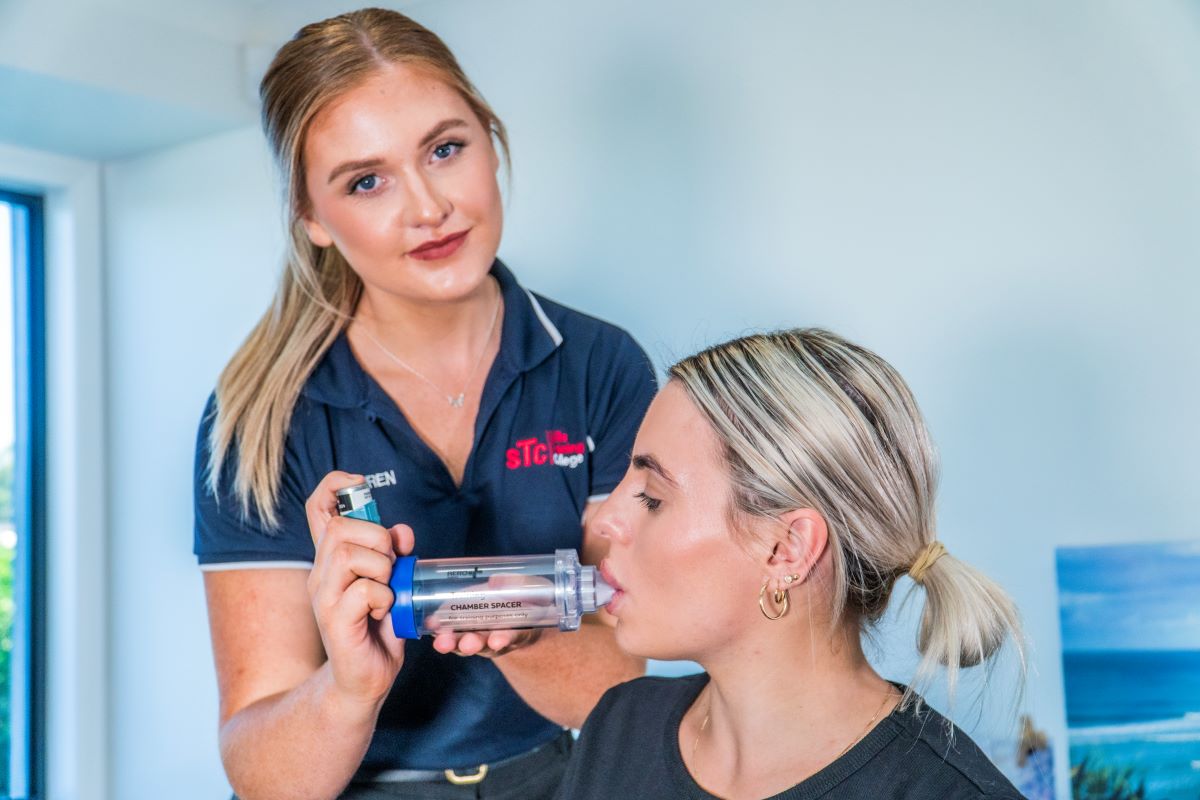
Ask about teacher proportions. In my experience, useful abilities decay when more than 12 learners share one instructor for a typical first aid and cpr course. For high-hazard modules with tourniquets, oxygen, or advanced scenarios, maintain the proportion tighter. Observe the kits they educate with. Students must exercise on the same design of AED your site possesses, or at the very least on a version with a comparable user interface. If your workplace utilizes a certain brand name, bring it to class. Practical experience saves secs when it counts.
Some organisations prefer a companion with breadth throughout locations. If you have multiple websites, a national carrier like First Aid Pro or comparable can standardise training course content, enhance scheduling, and centralise documents. Smaller sized regional instructors usually excel on flexibility and contextual understanding. There is space for both. The key is consistent requirements and proven assessment.
What a robust office first aid and cpr course need to include
Basic grown-up CPR and AED use continue to be the backbone. Excellent training courses exceed rote sequences, building decision-making under stress. Search for practical manikins with responses on compression depth and rate, AED trainers with voice motivates, and situations that evaluate teamwork, not just individual ability. Rescue breaths stay first aid Mandurah component of several standards, though offices usually stress hands-only CPR for speed and hygiene. The course must cover both, with advice throughout grown-up, child, and infant variations if your risk profile needs it.

Bleeding control needs greater than gentle pressure. Students must apply direct stress correctly, stack dressings without peeling them back, and use pressure bandaging that holds company for transport. If your risk assessment warrants it, ensure guideline on tourniquets and haemostatic agents is consisted of. In a cpr refresher course, I typically add a mini module on catastrophic bleeds due to the fact that it is the various other time-critical scenario that any employee could encounter.
Choking response is often messed up in reality, comprehensive CPR & first aid course specifically with partially receptive grownups that can still cough. A top quality first aid course shows when to encourage coughing versus when to start back strikes and stomach thrusts. For infants, the method changes, and it has to be hands-on with a baby manikin. With coworkers who take a trip or eat at their desks, the probabilities of a choking incident are higher than supervisors assume.
Medical emergencies bring subtlety. Recognise stroke with FAST, reward fainting by raising legs unless injury suggests otherwise, utilize glucose for recognized diabetics that are conscious sufficient to swallow securely, and handle seizures by shielding the head without restraining. Allergic reactions and anaphylaxis need clear experiment instructor auto-injectors. In sectors with recognized irritant threats, such as food production or colleges, make sure people understand where an EpiPen is kept and that is authorised to utilize it.
Environmental factors typically get neglected up until needed. Warm fatigue and warm stroke present differently. A good program distinguishes and drives early air conditioning for warmth stroke. For cold exposure, avoid rapid rewarming of extremities when frostbite is thought. If your groups work outdoors, ask your supplier to weave in these topics.
Finally, mental first aid deserves at least a short block. After a stressful event, bystanders and -responders require basic grounding methods and clear following actions. Not every course includes this, yet supervisors and safety leaders take advantage of it.
Format choices and just how they impact compliance
You can choose from completely in-person, mixed (online concept plus in-person abilities), or completely on the internet formats. For conformity, the sticking factor is often the sensible evaluation. Regulators and insurance companies intend to see that employees were observed executing CPR and vital first aid skills. A totally on the internet class could be valuable for understanding, however it rarely pleases the requirement for a first aid certificate that covers workplace obligations, unless paired with a later practical.
Blended delivery has clear advantages. Staff finish the concept at their desks, at their speed, then go to a focused functional. This lowers pause the flooring and enhances focus. The risk is enabling the void in between concept and sensible to stretch, which weakens retention. Set interior policies to complete both within a tight window, preferably two weeks.
Night changes and remote staffs make complex organizing. Some providers run after-hours practicals on site. I have even run dawn sessions in storehouses to record both the night team coming off and the day staff beginning. If you can not get everybody with each other, staggered micro-classes of ten to twelve learners can work, so long as you preserve the same material and evaluation rigor.
Validity durations and how to manage renewals
Certificates do not last for life. A normal pattern: first aid certificates hold for three years, while cpr certificates call for annual refreshers. Your territory may vary, and some sectors mandate even more constant training. Either way, purpose higher than the minimum. Abilities discolor within months, specifically for low-frequency occasions like CPR.
Build a calendar that backfills lapsed coverage prior to it occurs. Track certifications by private and website. Flag expiries 90 days out. Connect revivals to performance purposes so supervisors prioritise them. A cpr correspondence course that runs 90 mins to 2 hours can keep abilities current without a whole-day commitment.
A tip from technique: schedule at the very least one extra personnel per change to have present first aid and cpr training. Health problem and getaways take place. Inspectors take notice of whether your logbooks can demonstrate coverage on the day of an incident, not just on a common weekday.
Equipment positioning with training
Training works best when equipment in the field matches what remains in the classroom. If your first aid packages include contemporary stress dressings, students ought to deal with those specific SKUs throughout the training course. If tourniquets are issued, standardise on one model and show that version. In an actual hemorrhage, the min spent identifying a brand-new fastening is a min of continued blood loss.
The exact same logic relates to AEDs. Place AEDs with constant interfaces across websites when feasible. If not, post fast reference cards on the closet door. Throughout cpr training, include a minimum of one circumstance that has learners get, power up, connect pads, and follow triggers on a device or fitness instructor that mirrors your gadgets. Pad positioning on hairy chests or perspiring skin deserves truthful method. Students ought to understand to cut rapidly if the kit includes a razor, or to press securely and replace a pad that stops working to adhere.

Documentation that stands up under scrutiny
Your training record is your guard in a conformity audit. Maintain a main log with the company name, training course code or title, day, teacher, individual checklist with trademarks where called for, and the certification number or digital copy. Store evidence that the course content matches your danger analysis, such as the curriculum and useful checklist.
Supervisors ought to preserve a responsibility roster that reveals that was the marked initial aider each shift. Throughout an event evaluation, investigators try to find this affiliation. If your first aid pro is off site, the lineup needs to mirror who covered. Lapses appear promptly in time sheets and can undermine an or else great program.
After genuine events, affix training debriefs and corrective activities to your security monitoring system. If a situation disclosed confusion concerning AED place, update signs and repeat a short drill. Record that you did so. Compliance is not just a moment in time; it is a cycle of understanding and improvement.
The business economics: cost, downtime, and risk reduction
Leaders usually request for a roi. The arithmetic entails avoided expenses: employees' compensation, lost time, credibility damages, and regulatory fines. A single prevented death or life-changing injury dwarfs years of training budget. Yet you can still take care of expenses smartly.
Blended courses reduce seat time. On-site delivery removes travel and can be scheduled around production. Multi-site companies can negotiate volume rates with a nationwide supplier. At the same time, do not inexpensive out on sensible time. I have seen deal programs run thirty minutes of hands-on benefit a dozen students. Individuals entrusted certifications however soft abilities. When the emergency got here, a delay of even 90 secs in starting CPR meant a worse neurologic result. Buy enough time for reps and feedback.
Building a culture where first aid skills stick
You can not anticipate a once-every-year class to produce fluency. Integrate brief technique minutes into safety and security conferences. A five-minute AED drill in the lunchroom as soon as a month cements muscle mass memory. Welcome your instructor back for quarterly circumstance refreshers with a rotation of staff. Place first aid and cpr course success on the wall, not as a trophy but as a noticeable pointer of who to call out when secs count.
During brand-new starter onboarding, include a scenic tour of kit places and AED cabinets, not just a map. The act of opening up the cupboard, hearing the alarm chirp, and seeing the pads develops experience that eliminates doubt. Rotate the first aider duty so the exact same few individuals are not always in the hot spot. When non-supervisors step up, the program comes to be resilient.
Special instances: remote work, lone employees, and public-facing sites
Remote groups and single employees need a different emphasis. Training ought to cover self-care under advice from a dispatcher, use individual first aid kits, and interaction methods. If reaction times are long, think about advanced skills in their curriculum, such as extended blood loss control and shock monitoring, with careful placement to lawful scope of practice.
Public-facing sites like retail and transportation centers have higher odds of spectator incidents. Personnel must feel great launching CPR on a participant of the general public and navigating authorization and coverage. Your plan must clearly sustain them in acting. Post-event assistance lowers hesitation to https://blogfreely.net/ripinnxixt/corporate-first-aid-courses-building-a-safer-office-culture step in next time.
Where children exist, paediatric components are not optional. Child-sized manikins, paediatric pad positioning on AEDs, and child-specific choking alleviation strategies belong in the course. Line up with industry requirements on proportions of paediatric-trained personnel to youngsters present.
How to inform your provider for a tailored class
When you involve a carrier, give them your context up front. Share your threat assessment, website maps that show set and AED locations, prior incident knowings, and any type of chemicals or equipment that existing unique dangers. Ask the trainer to construct situations that mirror your environment. If your mezzanine has a limited staircase, practice a substitute casualty motion plan that does not take the chance of genuine backs. If your school has multiple buildings, run a timed drill from the farthest point to the nearby AED.
Clarify that requires which certificate. Not every person requires the full day. Supervisors, safety, and floor wardens typically gain from the total first aid and cpr courses. Office personnel may participate in a shorter cpr course with AED. When you segment smartly, you improve involvement and conserve time without compromising outcomes.
Renewal method without training fatigue
People fail to remember, but they also wear out on recurring courses. Differ the situations. One year, stress bleeding control; the next, run high-fidelity cardiac arrest developments with team duties. Mix in microlearning: a two-minute video clip on stroke indications, followed by a fast test at the next toolbox talk. Keep the cpr refresher course short however extreme, with responses tools that gamify efficiency. Commemorate leading ratings openly, which pushes the whole team upward.
Use genuine data. Track average time to first compression in drills. Purpose to shave seconds each quarter. This transforms training into a measurable performance domain, like security or quality metrics.
Common pitfalls and just how to prevent them
The initial risk is overreliance on on-line components. I such as on-line concept for plan and history, however skills reside in the hands. Without genuine compressions and pad positioning, your individuals will be reluctant. Repair this by dedicating to in-person practicals with a teacher who will remedy technique.
The second mistake is single-point failing. One trained person per shift is not enough. Sickness, smoke breaks, and meetings develop gaps. Train redundantly and publish the roster.
The 3rd challenge is dirty equipment. I have opened sets with half the contents ended and the shears missing. Appoint a monthly package talk to an easy log, and make it part of a person's task description. For AEDs, check status lights once a week and pad expiry dates quarterly.
The fourth pitfall is neglecting language and access. If a part of your labor force speaks English as a 2nd language, ask for multilingual materials or instructors. If an employee has a movement restriction, adjust roles so they can still take part and lead where ideal, such as collaborating AED retrieval and emergency situation calls.
Finally, do not treat the certification as the goal. It is a starting point. Skills degeneration quick, so intend your refresher courses, drills, and leadership support to maintain the edge sharp.
A functional selection guide
If you need a fast way to narrow options that still values the subtleties, ask on your own these questions and pick as necessary:
- What are our leading three reliable emergency situations based upon our tasks and environment, and does the course explicitly show those feedbacks with hands-on practice? How will certainly the company assess practical proficiency, at what instructor-to-learner proportion, and on what equipment? Does the program confer a first aid certificate and, where required, separate cpr certificate straightened to acknowledged requirements, with clear legitimacy periods? Can the provider provide on our schedule across all shifts and sites, and can they incorporate our equipment and site specifics into training scenarios? How will certainly we obtain and manage training records, renewal suggestions, and post-course assistance such as refresher course products or on-call advice?
Answering these consistently leads you to a program that satisfies regulators, prepares your individuals, and fits your operations.
The reward when it matters
On a winter season morning, a distribution centre supervisor called me after his group used their training. A motorist fell down near the loading bay. The very first aider inspected responsiveness, asked for the AED, and began compressions within 20 secs. An additional employee satisfied the jogger halfway with the defibrillator. The pads were on by the two-minute mark, and the initial shock provided moments later on. The man left health center with an undamaged memory of his little girl's birthday celebration the following week. The manager later on said one of the most unexpected component was how tranquil the group really felt. They had done those precise actions dozens of times in cpr training, in the very same area, with the same AED.
That is the silent power of picking the right first aid course, provided well, restored in a timely manner, and rooted in your fact. Compliance is the flooring. Ability is the ceiling. Go for both.